Training Services

provides tailored training in competitive and marketing intelligence (CI/MI) that helps organisations find, evaluate, analyse and act on intelligence. Courses are customised to your organisation, sector and objectives, combining relevant theory with practical exercises, discussion and participation.

Our courses and workshops cover the complete intelligence process – from identifying decision-makers’ intelligence needs and gathering reliable information to analysing its significance, anticipating change and communicating actionable findings.

Programmes can be introductory, intermediate or advanced and delivered as one-day workshops or multi-day courses. They can be customised for organisations of every size, from SMEs to global corporations, and delivered in person or virtually.

specialises in tailored in-house training. Arthur Weiss is also a faculty member of the Institute for Competitive Intelligence, through which he leads public courses, including a new online OSINT course.

Our training helps you:

  • Strengthen your organisation’s competitive and marketing intelligence skills
  • Identify competitive threats and market opportunities
  • Recognise blind spots and challenge assumptions
  • Use AI to support research and analysis critically and responsibly
  • Analyse competitors’ capabilities, likely strategies and future moves
  • Gather reliable intelligence confidently and ethically using online, open-source and human-source research
  • Anticipate change through scenario planning and forecasting
  • Communicate intelligence so that it informs decisions and action
  • Apply practical methods directly within your organisation

Who should attend?

Our workshops are designed for:

  • Competitive and market intelligence professionals
  • Strategy, corporate development and business development managers
  • Marketing professionals responsible for market and competitor analysis
  • Researchers and investigative journalists working with open sources and AI
  • Teams involved in due diligence, market assessment or strategic planning
  • Marketing teams in SMEs building or refreshing their marketing plans

Training can also be adapted for other teams that need to identify opportunities, investigate complex markets or make better use of external information.

Discuss Your Training Requirements
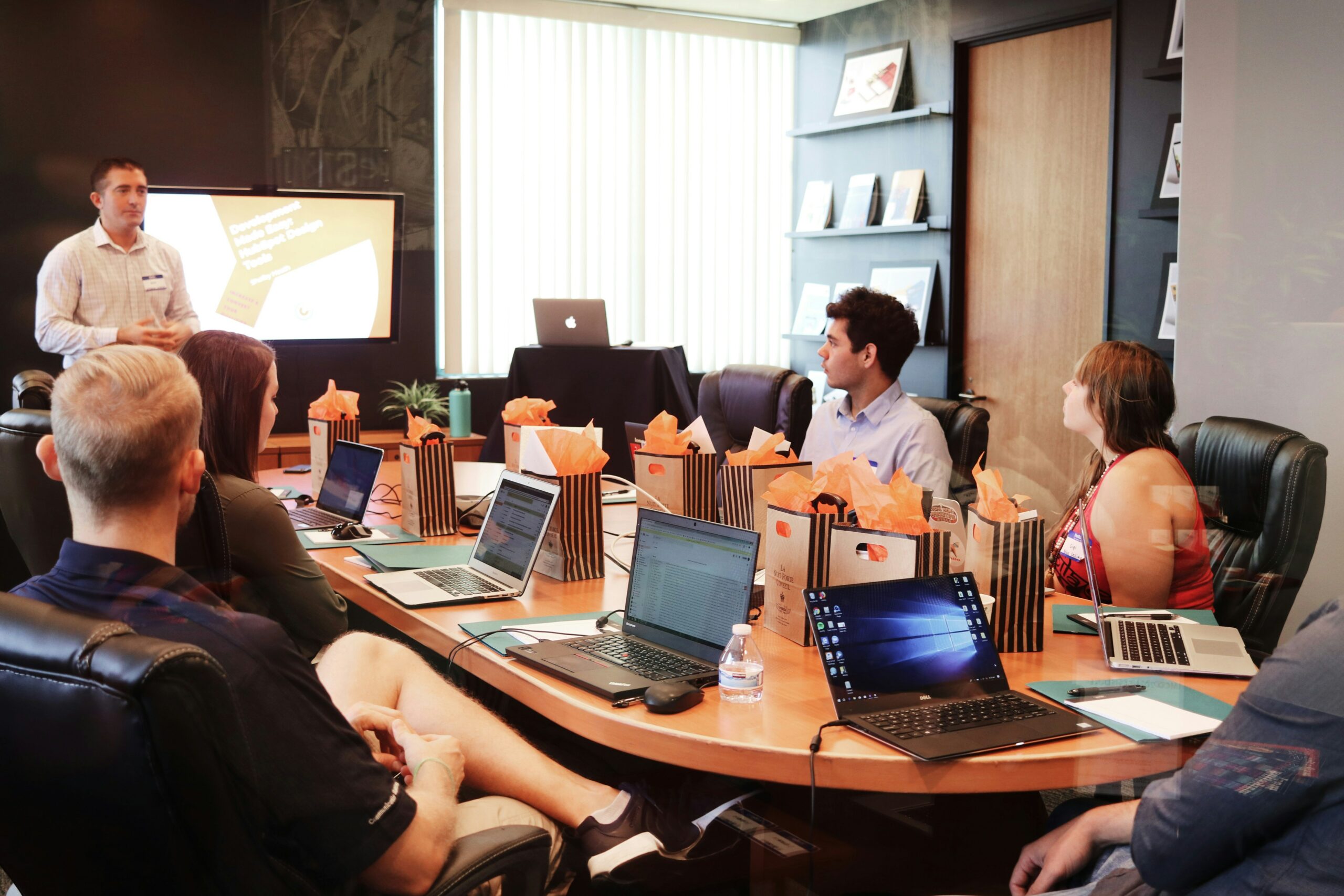
Workshop participants working on laptops around a conference table
Competitive Intelligence Foundations
Including: Building a CI/MI function, CI Theory & Practice, CI Techniques, etc.
Research & Intelligence Gathering
Including: Online Research & OSINT, Primary Research/Humint, AI for CI, and more
Strategic & Transition Support
Including: Competitive Analysis, Scenario Planning & Forecasting, CI War Games, Financial Analysis for CI, Marketing Planning

Training designed around your organisation

No two organisations have exactly the same intelligence needs. We therefore tailor every in-house programme to the client’s industry, markets and objectives, and to participants’ roles and existing experience.

Topics from different courses can be combined to create a programme that addresses your particular requirements. Training might, for example, combine online research with competitive analysis, or scenario planning with a war-game exercise.

Programmes can also be structured for different groups within the organisation—for example, research training for information specialists followed by analysis and strategy workshops for managers and decision-makers.

Programmes can be delivered:

  • In person or virtually
  • As short workshops or multi-day courses
  • For individuals through one-to-one tuition or for teams and larger groups
  • At introductory, intermediate or advanced level
  • As a standalone course or part of a longer skills-development programme

Interactive exercises and simulations

Training can incorporate practical simulations, team exercises and challenges designed around the client’s objectives.

AWARE» can also develop bespoke exercises that combine learning with team-building – for example, a customised Competitive Intelligence Challenge using an online escape-room format. Participants work in teams to find and evaluate information, interpret clues and solve an intelligence problem within a limited time. The challenge can be used for skills development, assessment or collaborative learning, either as part of a wider programme or as a standalone online exercise.

As bespoke exercises require additional design and preparation, they are available by arrangement and priced separately.

Ask About Interactive Training

Why Train with us?

Trainer presenting at a whiteboard to a group in a meeting room
Read more

Public courses can be a good option for an individual or a small number of participants. Tailored in-house training is particularly valuable when an organisation wants to develop a team, address specific business needs or combine subjects within a customised programme.

What Participants Say

“

I found the material extremely relevant and valuable. I also found your teaching very motivating and focused. I hope to implement some changes in our strategy based on what I learnt on the course as soon as possible.

Marketing Business AnalystCorporate Law Firm
“

Opened up new - yet obvious - areas to research on customers and competitors. I now feel able to set up a rounded competitive intelligence system.

Marketing Team LeaderSoftware Company
“

A good mixture of case studies, practical examples and group discussion. The course material was very comprehensive, providing a good reference guide following the course.

ParticipantFood Manufacturing Company
“

I truly thank you for the great two-day programme… It was very informative, very well presented, plus enjoyable. I have learned so much from your training that will assist me in my workplace.

Head of Product ManagementPharmaceutical Company

Workshop impacts - A war game.

After a client repeatedly lost business to a smaller, more agile competitor, designed and facilitated a war-game workshop. The client’s competitive intelligence team adopted the role of the competitor, while other managers explored alternative responses. The exercise challenged long-held assumptions, clarified the competitor’s likely next moves and informed changes to the client’s positioning and strategy.